Commercial sinks are widely used in hotels, restaurants, and other similar establishments, emphasizing durability and hygiene. If you are a catering equipment contractor, the following will introduce you to what commercial sinks are.

Definition and Functions of Commercial Sinks
Commercial sink refers to cleaning equipment specifically designed for use in catering, hotels, laboratories, or industrial settings. Its main functions include:
- Washing tableware, cookware, raw materials, etc..
- Soaking and decontamination;
- Draining, pre-washing, and pre-washing;
- Hand cleaning and tool disinfection, etc.
In commercial kitchens, sinks are distributed across different work areas for various purposes, such as preparation areas, dishwashing areas, and handwashing areas. A well-designed sink layout can significantly improve kitchen cleaning efficiency and hygiene management.
Main Types of Commercial Sinks
Based on structure and usage requirements, commercial sinks can be categorized as follows:
- Single/Double/Triple Sinks: Commonly found in restaurant kitchens, allowing for separate washing, rinsing, and disinfection operations.
- Integrated Sinks with Drainers: Integrate washing and draining functions, suitable for continuous operation.
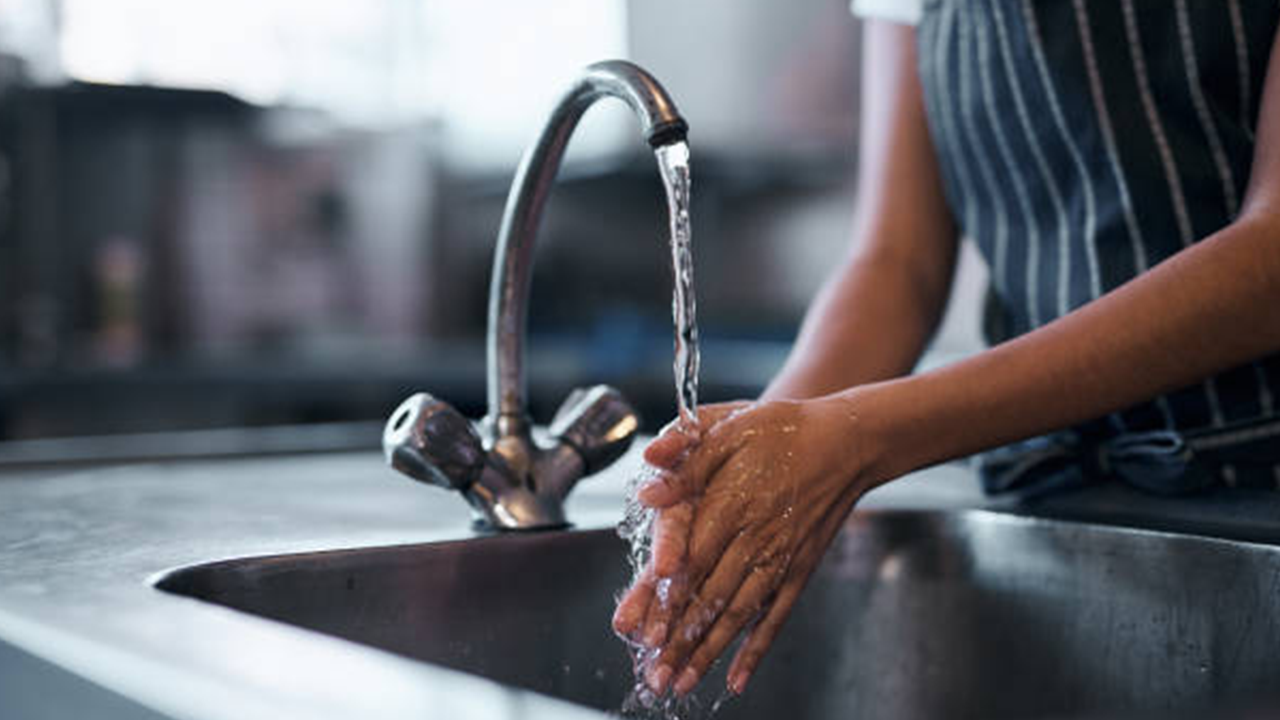
- Wall-Mounted Sinks: Save space, commonly used as handwashing basins.
- Cabinet Sinks: Easy to install, highly stable, widely used in hotels and restaurants.
- Cleaning/Usage Sinks: Used for washing mops, buckets, etc., with a deeper and more durable structure.
Different types of sinks correspond to various usage scenarios, allowing users to choose flexibly based on kitchen layout and functional needs.

Materials and Manufacturing Process
Stainless Steel (304/201/316, etc.)
High-quality sinks are typically made of 304, 201, or 316 stainless steel, with 304 being the most common due to its corrosion resistance and hygienic properties.
Surface Treatments
Surface treatments include brushing, polishing, and sandblasting, which enhance the appearance and facilitate cleaning.
Deep-drawing and Advantages
The most crucial manufacturing method is the deep drawing—using hydraulic equipment to stretch the sink bowl and countertop into shape without welds, ensuring a robust structure, easy cleaning, and leak-proof design.
Welding Process and Structural Stability
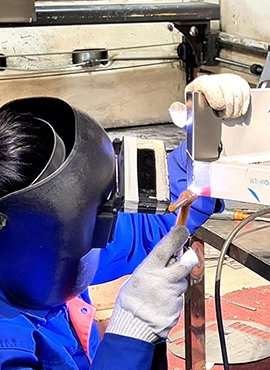
For traditional or complex sink structures, argon arc welding is typically used to ensure strength and stability.
Structural and Design Details
The structural design of commercial sinks directly determines the user experience, operational efficiency, and kitchen hygiene. A well-designed sink is not only durable but also facilitates smoother workflows.
Sink Depth and Dimensions
The depth of a sink is typically between 200 and 400 mm, easily accommodating large or bulk dishes, reducing splashing, and facilitating soaking, rinsing, and disinfection. The width and length are determined by kitchen space and operational needs, ensuring that multiple dishes are not crowded when handled simultaneously, improving washing efficiency. In other words, depth and dimensions directly affect washing convenience and kitchen workflow.
Support and Countertop
The sink support structure usually uses square or round tubing supports with reinforced beams to ensure a stable countertop that doesn’t wobble, even under heavy loads. This stability is essential for large or continuously operating kitchens.
Drainage and Overflow System
A scientifically designed drain outlet and filter ensure smooth drainage, preventing water accumulation and blockages. An overflow design prevents water from overflowing, keeps the floor dry, reduces the risk of slipping, and saves cleaning time. Back Panel and Lower Shelf: The back panel prevents water splashes onto the wall, preventing damage and improving kitchen hygiene standards. The lower shelf not only increases storage space but also enhances overall structural stability, ensuring the sink remains sturdy even after prolonged use.
Adjustable Feet
Adjustable to accommodate varying floor levels, ensuring a level countertop and even weight distribution for improved overall stability.
Rounded Corners and Smooth Edges
The sink bowl features rounded corners for easy cleaning and reduced bacterial growth. Smooth edges showcase meticulous craftsmanship and simplify daily maintenance.
Application Scenarios
Commercial sinks are found in almost all cleaning-related industries:
- Restaurant and Hotel Kitchens: Primarily used for processing food ingredients and cleaning tableware.
- Schools, Canteens, and Hospitals: Ensure hygiene standards and support centralized cleaning.
- Food Processing Plants and Laboratories: Require higher standards of corrosion resistance and structural hygiene.
- Industrial and Workshop Applications: Used for cleaning equipment parts or handling coolant.
Whether it’s a small restaurant or a large chain, appropriate sink configuration is key to kitchen operational efficiency.
Customization Options for Commercial Sinks
- For B2B clients, standard products often cannot fully meet on-site needs. Therefore, stainless steel commercial sinks generally support customization, including:
- Personalized design of size, depth, and thickness;
- Modular compatibility with workbenches, integrated cooktops, and dishwashers;
- Add-on accessories (faucets, back panels, bottom shelves, overflow outlets, support legs, etc.);
- OEM/ODM services (customizable logos, packaging, and structural solutions).
This flexible customization capability is particularly favored by hotel equipment manufacturers, kitchen engineering companies, and commercial sink distributors.
How to Choose the Right Commercial Sink
When purchasing a commercial sink, don’t just focus on appearance or price. Consider your usage environment, space layout, and functional needs.
Purpose and Layout Planning
First, determine the sink’s primary purpose: is it for washing dishes, fruits and vegetables, or processing food ingredients? Depending on the work area, you can choose a single-bowl, double-bowl, or multi-bowl design. For example, a single-bowl sink is suitable for small dining spaces or bars, a double-bowl sink allows for separate washing and rinsing tasks, and a triple-bowl sink can accommodate more complex cleaning processes. A well-planned layout optimizes kitchen workflow, avoids cross-contamination, and improves overall work efficiency.
Material and Thickness Selection
Commercial sinks are mostly made of 304 or 316 stainless steel, which has excellent corrosion resistance and high-temperature resistance. The thickness is typically between 0.8mm and 1.5mm. Thicker plates offer stronger impact resistance, are less prone to deformation, and are suitable for heavy-duty operating environments; thinner plates are lighter and cheaper. The choice should be based on usage frequency and the intended use of the space.
Ease of Cleaning and Maintenance
The surface treatment of the sink is also crucial. Brushed, sanded, or mirror finishes reduce dirt buildup, making cleaning easier. Some high-end designs also feature a slight angle at the edge of the sink, allowing residual water to flow naturally to the drain, keeping it clean and tidy.
Balance Between Cost and Lifespan
High-quality sinks invest more in craftsmanship, board thickness, and rust resistance, which may result in a slightly higher initial cost, but lower maintenance costs and a longer lifespan, making them more cost-effective in the long run.
Compatibility and Fit
When choosing a sink, compatibility with faucets, drainage systems, and other countertop fixtures must also be considered. Interface standards, installation location, and height all directly affect the ease of installation and the overall appearance.
Maintenance and Cleaning Guidelines
Commercial sinks undergo frequent cleaning. Proper maintenance not only extends their lifespan but also maintains hygiene and safety standards.
Daily Maintenance
After each use, rinse the sink surface with clean water and dry it with a clean towel to prevent water residue from forming limescale. Keeping it dry is key to preventing oxidation and bacterial growth.
Cleaning Agent Selection
Avoid using chlorine-based or strong acid/alkali cleaners, as these can corrode the stainless steel surface. We recommend using a neutral detergent or a professional stainless steel cleaning paste, applied with a soft sponge. Stubborn stains can be gently wiped with a baking soda or white vinegar solution, then rinsed with warm water.
Drainage System Maintenance
Regularly clean the filter and drain pipes to prevent residue buildup and blockages. For frequently used kitchens, it is recommended to check the drain seal weekly to ensure smooth drainage without leaks.
Deep Cleaning Recommendations
Perform a “comprehensive cleaning” weekly or monthly. Use a specialized detergent to wipe the inside of the sink and back panel, paying special attention to corners and welded areas. After washing, thoroughly dry with a soft cloth, then apply a thin layer of cooking oil or a protective agent to effectively prevent fingerprints and oxidation spots.
Optimize Usage Habits
Avoid placing hot cookware directly into a cold water sink to prevent deformation due to thermal expansion and contraction. Handle knives and heavy objects gently to prevent scratches or dents. Good usage habits are fundamental to maintaining the sink’s shine and structural stability.

Summary
High-quality commercial sinks are not only about cleanliness, but also determine the efficiency and hygiene of a kitchen. Using premium stainless steel and a scientifically designed system prevents cross-contamination and improves operational smoothness. For restaurant chains, hotels, and food processing companies, choosing a manufacturer with mature customization capabilities is key to ensuring both quality and efficiency.
If you are looking for a commercial stainless steel sink suitable for your specific space and functional needs, Grochoo offer size customization, structural optimization, and OEM/ODM services to make your kitchen system more professional and efficient. Contact us for customized solutions and detailed quotes.